

Enhancing Breast Shape & Volume
Breast augmentation refines breast contours and proportions, enhancing symmetry for a natural, balanced appearance.

Pre-Surgery Preparation
Preparing ahead of time helps ensure a smooth procedure, faster recovery, and the best possible outcome.
- Consultation: A detailed assessment is conducted to evaluate breast proportions, skin elasticity, and overall body frame to determine the most suitable approach. The consultation helps identify key concerns and discuss whether implants or fat grafting best align with individual goals.
- Surgical Planning: Once the preferred method is chosen, a surgical plan is created, outlining implant type, incision location, and placement options if implants are used. Patients will also receive information on expected outcomes, potential risks, and recovery guidelines.
- Medication & Lifestyle Adjustments: Certain medications, supplements, and smoking may need to be avoided before surgery to support healing and reduce risks. Patients will receive personalised guidance on any necessary adjustments.
- Pre-Surgery Instructions: Fasting before surgery may be required, depending on the type of anaesthesia used. Patients will also be given detailed pre-operative instructions, including preparing for a comfortable recovery at home.

Recovery After Breast Augmentation
Healing progresses in stages, and following post-surgical care guidelines is key to achieving the best results. While recovery time varies, here’s a general timeline of what to expect.
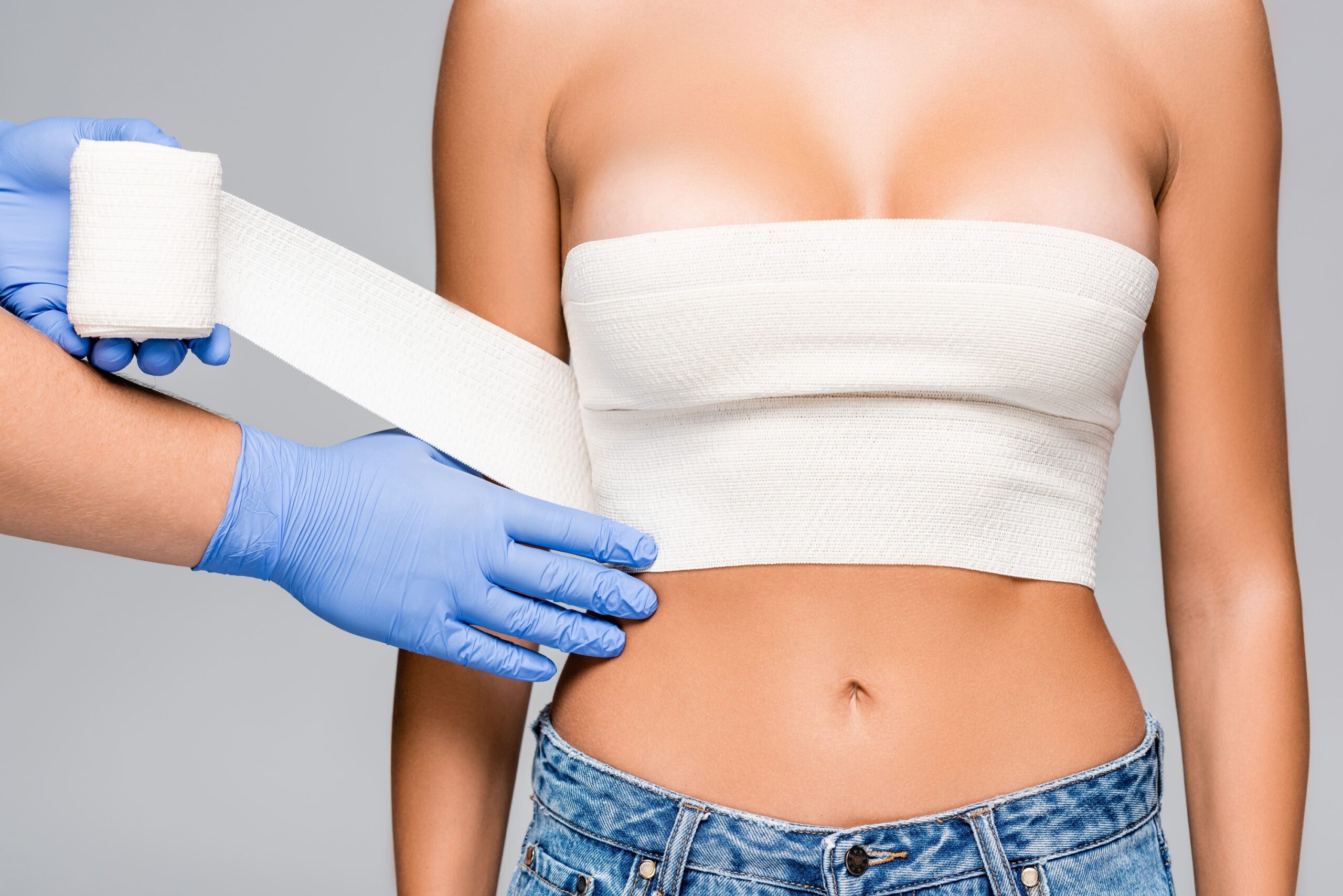
- Immediate Recovery (First Few Days): Swelling, bruising, and tightness are common but gradually subside. A supportive surgical bra is recommended to provide stability and aid healing. Patients should rest with their upper body elevated to minimise swelling and discomfort.
For fat grafting patients, mild swelling in the liposuction donor areas (such as the abdomen or thighs) is expected as the body heals from both the fat removal and transfer process.
- Short-Term Recovery (First 1-2 Weeks): Most patients can resume light activities within a few days, but strenuous movement should be avoided to prevent strain on healing tissues. If sutures are used, they are typically removed within the first week.
Regular follow-up visits help monitor healing progress and address any concerns. For fat grafting patients, a compression garment may be recommended for the liposuction donor site to support healing.
- Full Recovery (4-6 Weeks & Beyond): Final results become more noticeable as swelling continues to subside. Most patients can resume normal activities within 4-6 weeks, depending on their individual healing progress.
For fat grafting patients, additional sessions may be required if further volume enhancement is desired. Long-term care includes monitoring implants (if applicable), maintaining a stable weight, and following a healthy lifestyle to support long-lasting results.
Frequently Asked Questions
Breast implants are designed to be long-lasting, but they are not considered lifetime devices. While many implants can last 15 to 20 years, some may require replacement earlier due to factors such as implant rupture, capsular contracture, or changes in personal preference. Regular follow-ups and imaging can help assess the condition of implants over time.
Breast implants do not prevent mammograms, but they may require special imaging techniques to ensure accurate breast cancer screening. Patients should inform their radiologist about their implants before the procedure so appropriate adjustments can be made.
A surgical or compression bra is typically worn for four to six weeks following surgery to support healing, minimise swelling, and maintain breast positioning. After this period, patients can transition to non-underwire bras. Underwire bras should only be worn once incisions are fully healed, usually after eight weeks, as they may cause irritation.
Fat grafting can provide long-lasting results, but some of the transferred fat will naturally be reabsorbed by the body in the first few months. The fat cells that survive become permanent, but results may fluctuate with weight changes. Some patients may require additional fat grafting sessions to achieve their desired volume.
Many women can still breastfeed after breast augmentation, but some surgical techniques may impact milk ducts. The periareolar incision has a slightly higher risk of affecting breastfeeding ability compared to under-breast or underarm incisions. Patients who plan to breastfeed in the future should discuss this consideration during consultation to select an approach that minimises interference with lactation.
If You’re Considering Breast Augmentation, Get in Touch Today
Submit your details, and we’ll be in touch with you soon.
38 Irrawaddy Road, Singapore 329563
Mon – Fri: 10:00 AM – 6:00 PM
Weekends & PH: Closed
Contact Us Today
Exploring breast augmentation but unsure about the right approach? Dr Marco provides personalised consultations to discuss your goals and the most suitable techniques.
For more information or to schedule a consultation, call us at 6464 8075 or complete the form below.